Case study · AI workflow design
AI visualisation tool: photorealistic store mockups in about 2 hours
I built a custom Gemini Gem that shows how an empty retail unit would look as a finished Perfumarte store, so the team can pitch new locations without 3D skills.
- Role
- Marketing and Ecommerce Assistant
- Company
- Perfumarte
- Timeline
- Sept 2026 – present
- Tools
- Google Gemini (custom Gem), decor catalogue, Sweet Home 3D model
~2hper photorealistic mockup, tweaks included
2–3 daysthe same job in AutoCAD before
€0new software cost: runs on the existing Gemini plan
01The challenge
When the company evaluates a new retail space, the marketing manager has to show management, investors and property owners what the finished store would look like. Sweet Home 3D gives a technical mockup in about 30 minutes, but it’s hard to use and doesn’t look real. AutoCAD took 2–3 days.
Bars show working hours, assuming an 8-hour day for AutoCAD.
02What I did
- Built and trained a custom Gemini Gem that acts as a retail-space visualiser. It takes a real photo or floor plan of an available space and shows it with the company’s decoration and branding.
- Gave it a fixed knowledge base: the decor and furniture catalogue, photos of the newest store as the style reference, and a Sweet Home 3D furniture model so every piece keeps its true proportions.
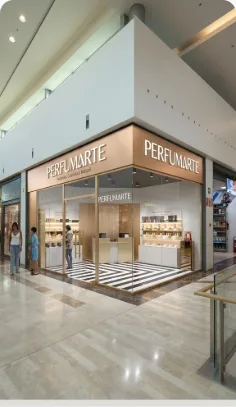
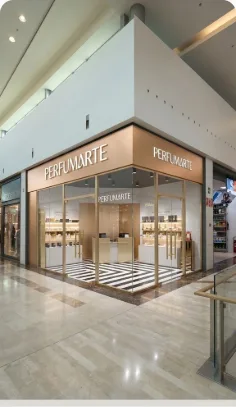
- Wrote the rules it follows. The key one: when there is a real photo, edit that photo instead of generating a new scene. It must also keep every structural element (doors, glass walls, windows, columns), never invent furniture outside the catalogue, never distort proportions, and warn when something doesn’t fit.
- Designed the workflow: upload photos, plans or dimensions and the store format, then choose a full concept, a single image or several angles, with the same decoration in every view.
- Made it state its own limits, for example when a view comes from a plan rather than a photo, so decision-makers aren’t misled.
03Results
- A photorealistic mockup now takes about 2 hours, compared with 2–3 days in AutoCAD.
- The marketing manager can produce realistic visuals without technical 3D skills.
- No new software cost: it runs on a Gemini subscription the company already pays for.
04Visuals
Three angles of the same space, each edited from a real photo.

05What I learned
The most important design choice was telling it to edit the real photo instead of generating a new scene.
That one rule keeps the structure accurate and the result believable, which is what makes the visuals useful in a real conversation with an investor or landlord.
Next case studyUCC Careers: social media for a university careers service